Reverse Mortgages

A reverse mortgage is a specialized home loan for homeowners 62 and older that allows you to convert home equity into cash. Instead of making monthly payments to a lender, the lender pays you. You keep the home's title, and the loan is repaid when you sell, move out, or pass away. [1, 2, 3]

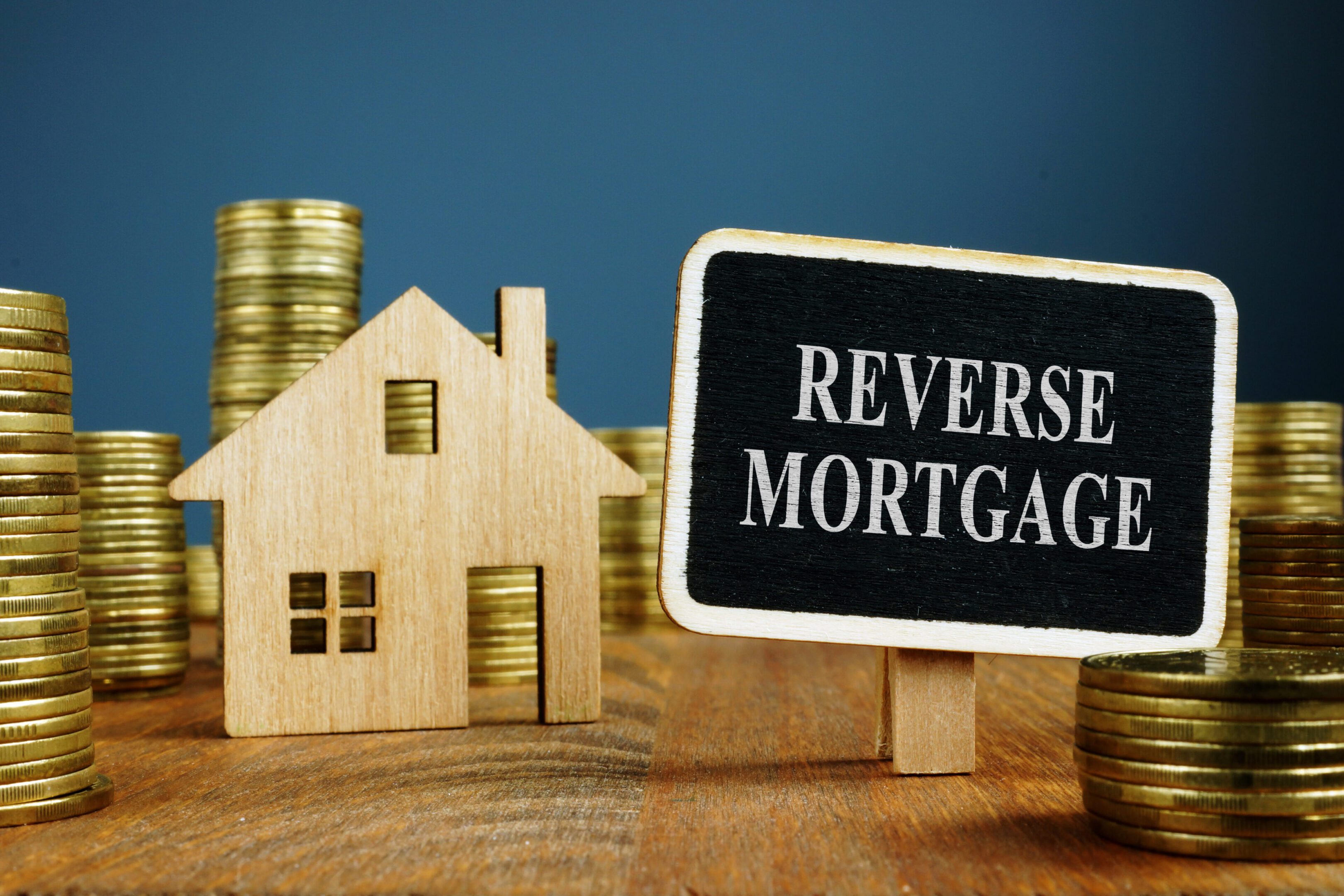
Plate with words Reverse mortgage and coins.

How It Works

Unlike a traditional mortgage where you pay down a balance, a reverse mortgage balance grows over time as interest and fees are added to the principal. You can receive the funds as a lump sum, fixed monthly payments, or a line of credit. [1, 2, 3]

Types of Reverse Mortgages

  • Checkmark icon

    Home Equity Conversion Mortgage (HECM): The most common type, insured by the FHA and backed by the government. These can be used for any purpose. [1, 2]

  • Checkmark icon

    Single-Purpose Reverse Mortgage: Offered by state/local governments or non-profits. They are strictly for one specific approved use, such as home repairs or property taxes. [1]

  • Checkmark icon

    Proprietary Reverse Mortgages: Private loans not bound by government limits, ideal for owners of high-value homes wanting larger loan advances. [1]

Eligibility & Rules

To qualify, you must own your home outright or have significant equity, and the property must be your primary residence. Even though you are not making mortgage payments, you are still legally required to: [1, 2, 3]

  • Checkmark icon

    Pay property taxes and homeowners insurance.

  • Checkmark icon

    Maintain the home in good condition. [1, 2]

Bank and green checkmark. The bank has passed tests and verification as reliable. Mortgage loan approval. Financial trust concept, compliance success and customer confidence. Secure lending
Question marks question concept with copy space

Important Considerations

  • Checkmark icon

    Upfront Costs: HECMs come with significant closing costs, origination fees, and upfront mortgage insurance premiums.

  • Checkmark icon

    Inheritance: Because the loan balance grows and equity decreases, it may significantly reduce the value of the home you leave to heirs.

  • Checkmark icon

    Foreclosure Risk: Failing to keep up with your property taxes, insurance, or maintenance can result in the lender calling the loan and facing foreclosure. [1, 2, 3]

Learn More

If you are considering a reverse mortgage, consult authoritative sources to help weigh the pros and cons:

Three Dimensional, Computer Graphic, Student Loan, Banking, Coin Bank

Please Complete the Online Application or Give Us a Call or Email